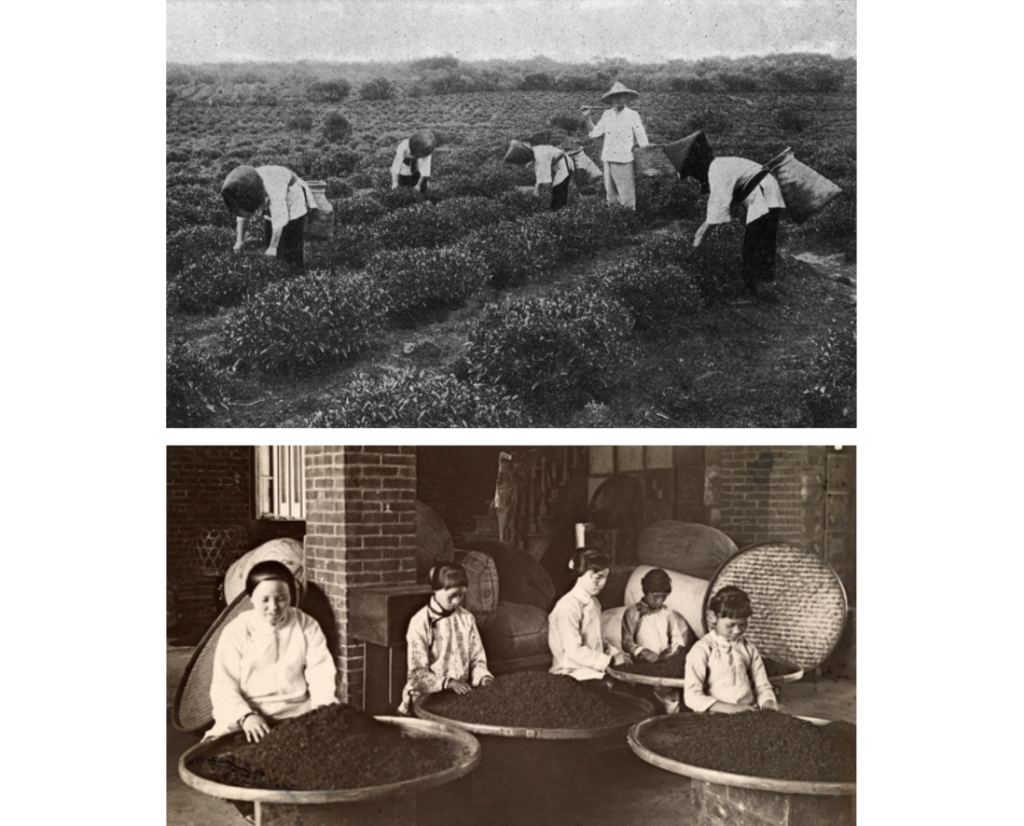
Since the Qing Dynasty, Taiwan’s tea industry has thrived through government support, Japanese innovation, and post-war revival. In recent decades, tea quality has improved dramatically. High mountain teas, oolong, and Taiwan No. 18 (Ruby Red) have gained international acclaim, becoming key agricultural exports of Taiwan.
Timeless Elegance, Lingering Aroma
During the tea growing season, tender buds and young leaves are hand-picked. Harvesting is usually done in the early morning or on sunny days to ensure freshness and quality.
The freshly picked leaves are spread out in a ventilated area or machine to reduce moisture content. This softens the leaves and initiates enzymatic oxidation, preparing them for fermentation. The grassy smell fades and a faint fragrance emerges.
The leaves are gently tossed and rubbed, damaging the cell walls to allow oxygen to penetrate, accelerating fermentation. This enhances the tea’s aroma with a rich, fresh fragrance.
High temperatures, usually around 300°C, are used to halt fermentation by destroying enzymes in the leaves. Depending on moisture content and leaf maturity, temperature and timing vary. This locks in aroma and flavor.
The leaves are rolled, breaking cell walls and releasing juices that adhere to the surface. These components dissolve easily during brewing, enhancing the flavor and helping the leaves take their shape.
Roasting removes remaining moisture and halts residual enzyme activity, ensuring shelf stability. It reduces bitterness and off-flavors while developing the tea’s signature aroma and taste.
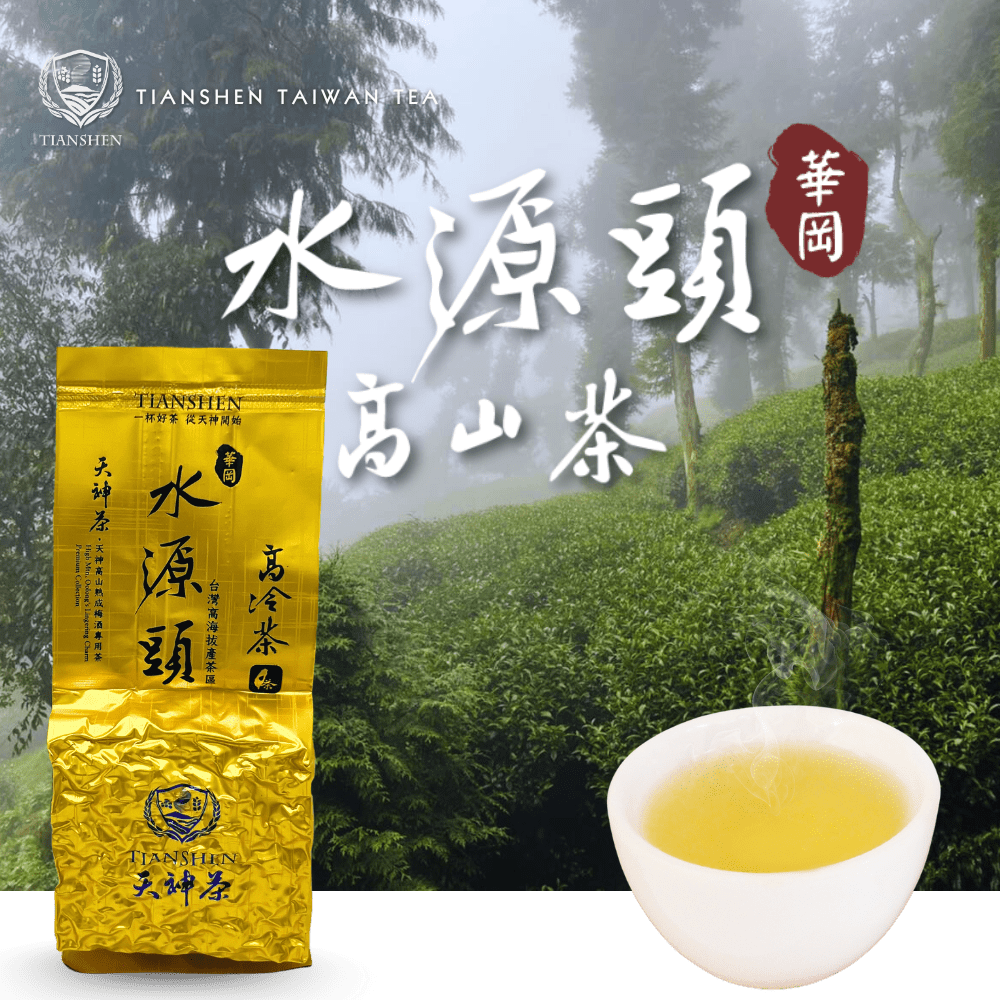
Grown at 2700m altitude, winter-picked for rich nutrients and smooth depth
Light-fermented raw tea (15–18%) — gentle on the stomach, low irritation
Hand-plucked one bud with three leaves — mellow sweetness and layered throat-feel
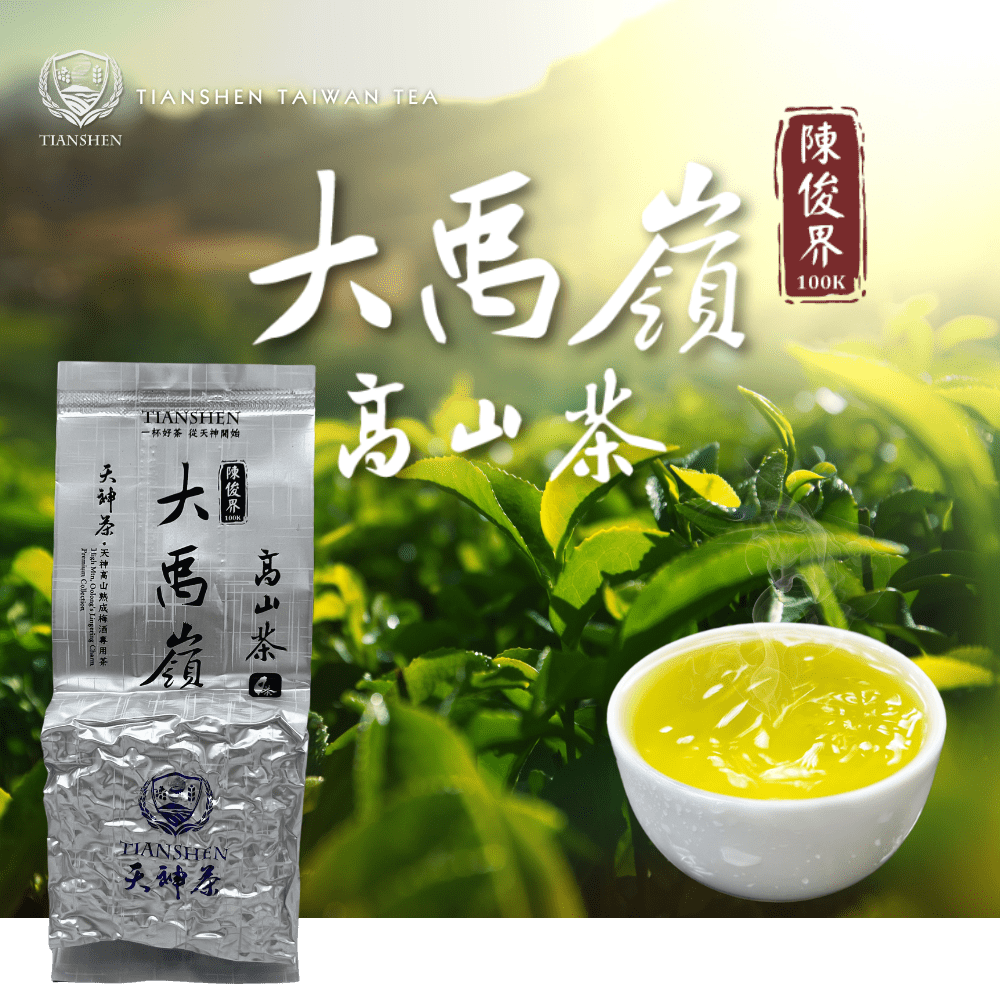
Hand-picked in winter at 2600m from the rare 100K Dayuling zone
Light fermentation (20–25%) with fresh mountain stream aroma, gentle on the stomach
One bud three leaves, honey-green with golden liquor, durable for up to 18 infusions
NT$1,200 – NT$5,500
NT$950 – NT$4,280
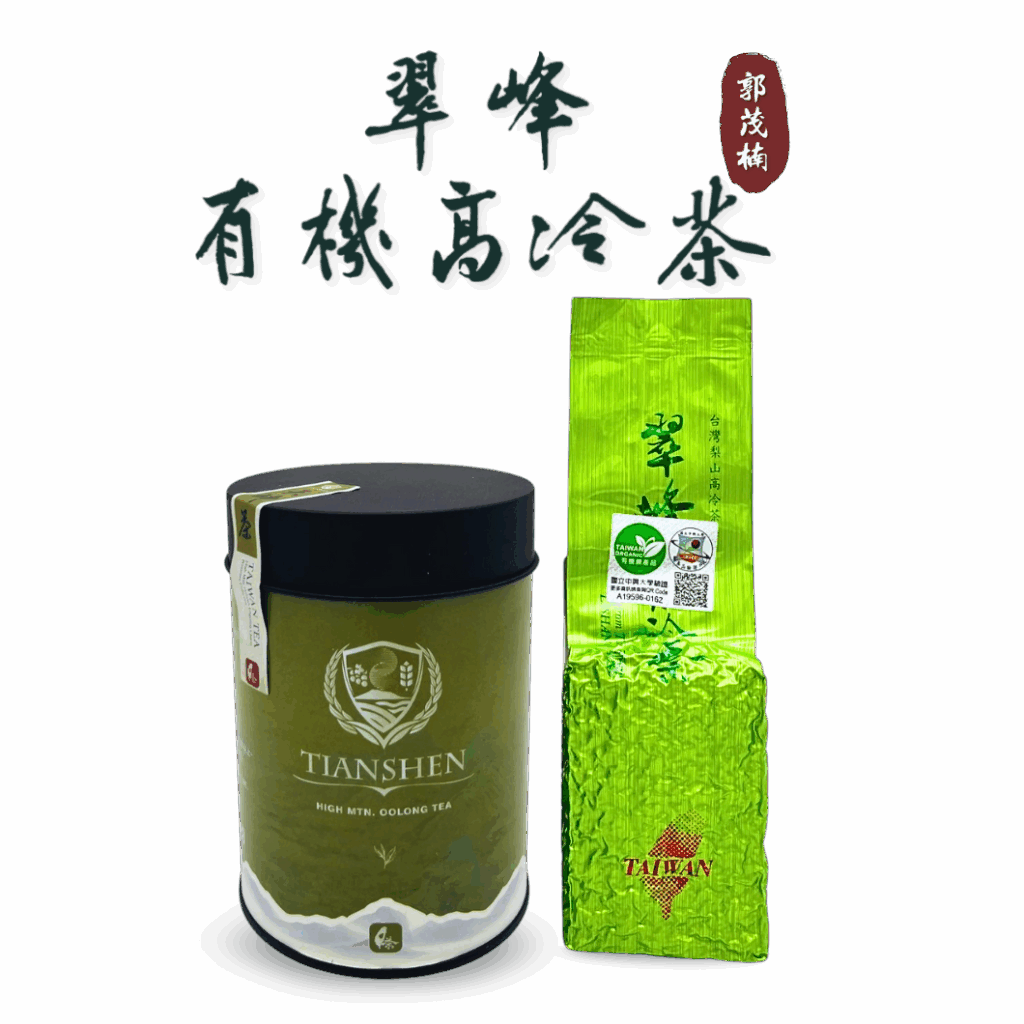
NT$1,000 Original price was: NT$1,000.NT$900Current price is: NT$900.
NT$1,800 Original price was: NT$1,800.NT$1,700Current price is: NT$1,700.